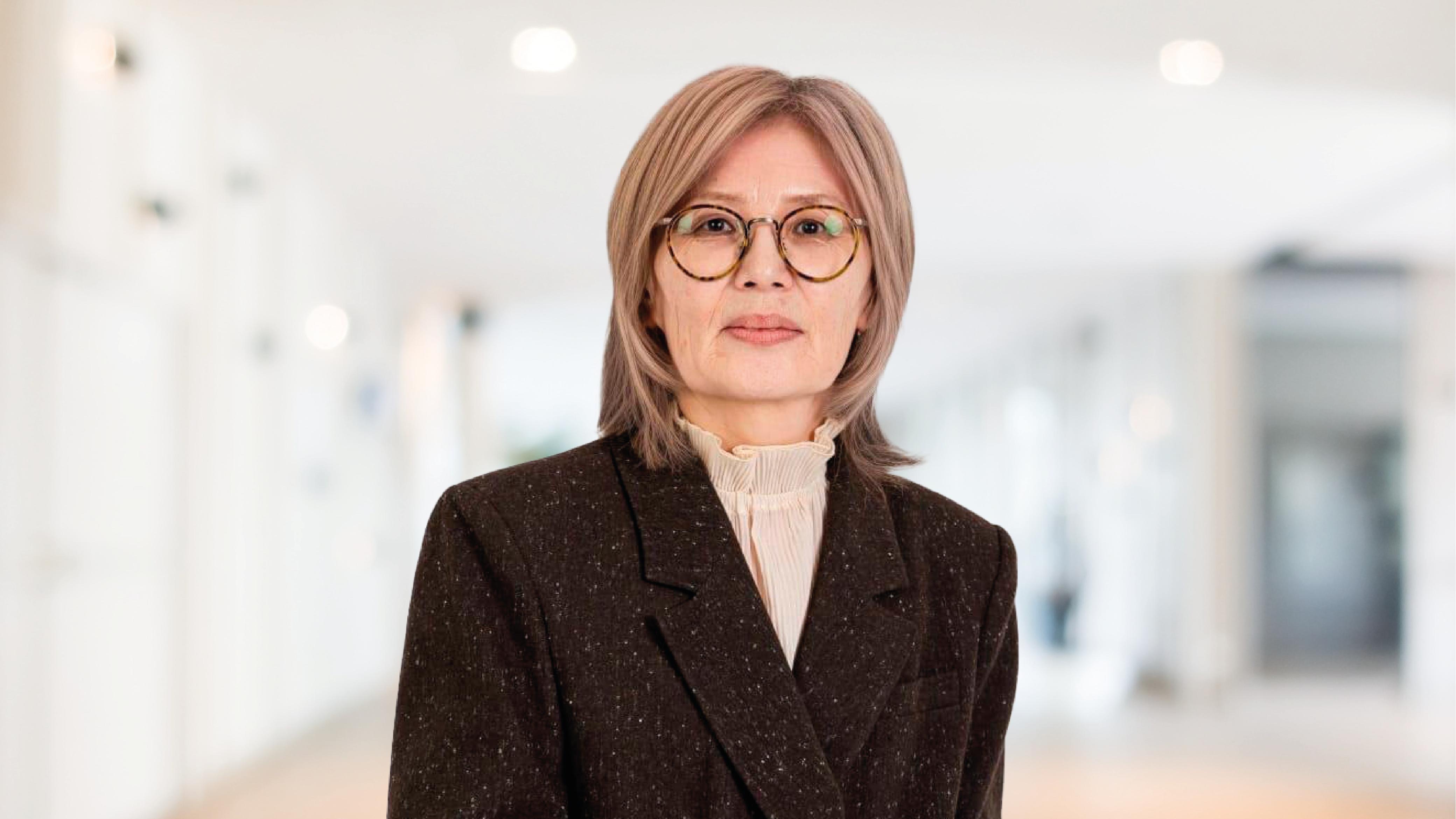
Choosing the right textbook is an important issue that directly affects a child’s quality of education. In an interview with Kymbat Karaeva, Deputy General Director of Arman-PV Publishing, we gained comprehensive insights into the role of textbooks in our country, the team of authors, and digital solutions.
— Ms. Karayeva, in Kazakhstan discussions about education quality almost always begin with textbooks. Why does the textbook hold such a central position?
— A textbook shapes the language of a child’s thinking. The structure of the text defines the logic of perception. The way information is presented influences the ability to analyse, compare and draw conclusions. Through the textbook, intellectual discipline and an attitude to learning are formed.
— What is Arman-PV currently working on?
— We are developing textbooks and teaching and learning materials for the 2026–2027 academic year. Completed manuscripts are undergoing state expert review. All work is aligned with national education programmes. Learning outcomes, competencies and curriculum requirements are systematically integrated into the content. We focus on clarity, internal logic and age-appropriate presentation.
— Which specific textbooks are in development?
— For Grades 3–4, we are preparing: Kazakh Language, Kazakh Language for Russian-medium schools, Russian Language, Literary Reading, Mathematics, «Познание мира» (Understanding the World), «Дүниетану» (World Studies). For Grades 5–9, the list includes: Global Competencies, Kazakh Language, Kazakh Literature, Physics, Geography, Russian Language, Russian Language and Literature. Last year, at this same stage, we were working on the 2025–2026 line, and today thousands of students across the country are studying with those books.
— How do you define the core objective when working on a textbook?
— Clarity, consistency and internal coherence. A child should easily navigate the structure, understand connections between topics and follow the logic of the subject. Every task and every formulation must support the development of thinking.
— Who are the authors behind these textbooks?
— The majority of our authors are practising teachers with extensive classroom experience. They work with children every day and clearly see where students struggle, where attention is lost and where interest emerges. In addition, we regularly hold seminars, methodological sessions, online and offline discussions, and conduct field visits to urban and rural schools. Structure, task design and practical use are discussed directly with educators.
— In Kazakhstan, textbook selection is carried out through an online portal, and teachers are expected to make the choice themselves. How does this system function in practice?
— Formally, the process is built exactly this way: the selection is made through the portal and the decision belongs to the teacher. This approach is based on professional autonomy and is fundamentally sound. Each teacher has a different class, a different context and a different teaching style.
At the same time, in practice we sometimes see situations where all schools in a single district choose the same textbook. Considering the diversity of teaching approaches, school environments and student levels, such uniformity does not appear organic. The issue here is not the quality of a specific textbook. The issue is how the decision is formed. The level of awareness in this process is crucial, because the textbook defines the trajectory of a child’s thinking.
— Does this suggest a risk of formality in the system?
— That risk exists. Procedures may be followed correctly on paper, while the substance of the process differs. This is a systemic issue that deserves attention, because textbook selection directly affects learning quality.
— Public criticism often mentions that textbooks are “too heavy”, “overloaded” or “hard to understand”. How do you respond to such feedback?
— We treat it as operational feedback. If a child does not understand the textbook, learning does not take place. If a teacher finds it difficult to work with the material, lesson quality declines. Every comment is analysed and considered in our work.
— Digital tools and artificial intelligence are increasingly discussed in education. How is Arman-PV engaging with this area?
— We have the Ekitap.kz online platform where digital textbooks are available. Within the platform, the ARMAN AI Q&A service helps students navigate content and find explanations. Artificial intelligence tools are also used in visual design and content structuring. This year, such technologies were applied during the development of the mathematics textbook.
— Are there concerns that artificial intelligence might interfere with content quality?
— No. Artificial intelligence is a tool. Content decisions are made by authors, editors and experts. Professional responsibility remains entirely with the human team.
— You often emphasise that Arman-PV’s work extends beyond textbooks. What does this include?
— We develop supplementary literature, implement projects for school and public libraries, work with authors, search for new voices and support young professionals. This is a long-term, systematic effort aimed at building a strong professional community.
— To conclude, what is the defining principle in your work with textbooks?
— The formation of thinking. The ability of a child to understand, analyse and make decisions. This directly influences the quality of education and the intellectual level of society.